
In Century City's hospitality industry, balancing customer service and employee rights under "No Call" laws is vital. These laws protect workers from unreasonable work demands, with severe legal consequences for violations. Hotel managers should implement clear off-the-clock policies, train staff on recognizing violations, and consult with No Call Attorney Los Angeles specialists to ensure compliance. Strategic approaches include efficient scheduling software, open communication channels, satisfaction surveys, and proactive employee training, fostering a culture of mutual respect and sustainability.
In the dynamic hospitality industry, balancing exceptional customer service and respecting employee rights is an art, especially within bustling urban hotels like those found in Century City. The rise of "No Call" laws has introduced a delicate equilibrium, designed to protect workers from excessive outreach while ensuring businesses maintain effective communication. This intricate dance between customer satisfaction and employee freedom presents unique challenges. As hoteliers strive to meet guest expectations, they must navigate these regulations with care. Engaging the services of a knowledgeable No Call Attorney Los Angeles can offer strategic guidance, enabling hotels to foster strong relationships with both guests and staff while adhering to legal constraints.
Understanding No Call Laws: Protections for Hotel Employees

In the dynamic hospitality industry of Century City hotels, balancing exceptional customer service and upholding employee rights is paramount. A key legal aspect in this balance is understanding and adhering to "No Call Laws," designed to protect hotel workers from unreasonable work demands, particularly regarding off-the-clock tasks and excessive overtime. These laws vary by jurisdiction, but they share a common goal: ensuring fair treatment of employees. For instance, California's labor laws strictly regulate rest periods, meal breaks, and maximum hours worked, with penalties for violations.
No Call Laws primarily focus on preventing employers from forcing employees to answer phone calls or perform work outside their scheduled shifts. This protection is crucial for hotel staff, often exposed to constant communication demands due to the nature of their roles. A No Call Attorney Los Angeles highlights that violating these laws can lead to significant legal repercussions, including back pay, penalties, and even class-action lawsuits. For instance, a 2018 case in LA involved a group of hotel housekeepers who successfully sued their employer for violating California's labor code by requiring them to answer work-related calls during personal time.
To ensure compliance, hotel managers should implement clear policies regarding off-the-clock work and provide training on recognizing and reporting violations. Regularly reviewing and updating these policies with the help of legal experts is essential. By prioritizing employee rights under No Call Laws, Century City hotels can foster a healthier work environment, boost staff retention, and mitigate potential legal risks. This proactive approach not only respects workers' boundaries but also contributes to a more sustainable and productive hospitality sector.
Balancing Customer Demands: Strategies for Hotel Managers

In the dynamic hospitality industry of Century City hotels, balancing customer service expectations with employee rights is a delicate act, especially when navigating strict no-call laws. Hotel managers face the challenge of meeting guest demands while ensuring their staff are protected from excessive or inappropriate communication. This requires a strategic approach that respects both customer needs and the well-being of employees, particularly in high-pressure environments. One key strategy involves implementing robust scheduling systems that optimize staff allocation, reducing the likelihood of mandatory overtime and unmanageable work hours.
For instance, leveraging advanced staffing software can predict demand patterns and automatically generate schedules, minimizing manual adjustments and the potential for overworking employees. Additionally, managers should foster open communication channels where staff can express concerns about call volumes or shift arrangements. Regularly conducting employee satisfaction surveys and holding one-on-one meetings can uncover issues early on, allowing for prompt resolutions. A proactive approach to training is also vital; equipping customer service representatives with effective communication skills enables them to manage guest expectations efficiently while maintaining a positive work environment.
Should legal disputes arise regarding no-call laws, involving a No Call Attorney Los Angeles can provide invaluable guidance. These attorneys specialize in labor and employment law, offering expertise in interpreting regulations and advocating for fair practices. By proactively integrating legal knowledge into hotel policies and training, managers can minimize risks of missteps that could lead to costly litigation. Ultimately, striking the right balance between customer service excellence and employee rights is not just about compliance but also fostering a culture of mutual respect and sustainability within Century City's hospitality sector.
Legal Insights from a No Call Attorney Los Angeles: Rights and Remedies
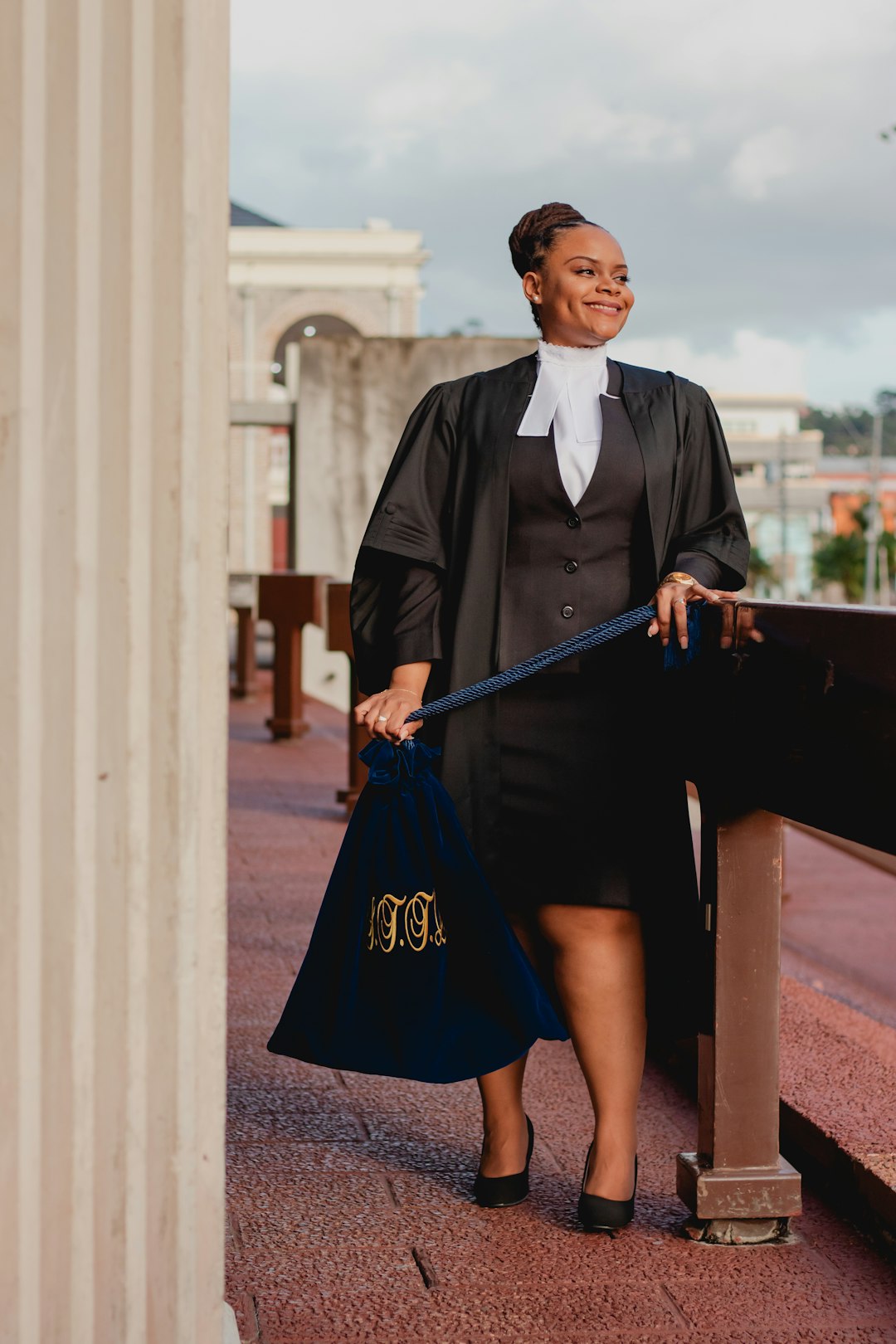
In the dynamic hospitality sector of Century City, balancing exceptional customer service and respecting employee rights is a delicate dance. This is particularly true when addressing restrictions on contact from employers, known as "No Call" laws. A No Call Attorney Los Angeles plays a pivotal role in navigating this complex landscape, ensuring both legal compliance and ethical treatment of workers. These attorneys specialize in protecting the rights of hotel staff, who often face demanding schedules and high-pressure environments.
A key aspect of their expertise lies in understanding the nuances of state and federal labor laws regarding rest periods and employee privacy. For instance, California's Rest and Recovery Act mandates specific intervals of uninterrupted time off for workers, mandating a "cooling off" period after shifts to prevent exploitation or coercion during these times. A No Call Attorney Los Angeles would guide hotel management on how to structure work schedules and communication protocols to uphold these rights without hindering customer interactions. They might suggest implementing quiet hours or utilizing digital scheduling tools that minimize direct contact outside of working shifts.
Moreover, these legal experts can offer strategies to mitigate potential violations and their consequences. Data from the Department of Labor reveals that non-compliance with labor laws can result in substantial fines and reputational damage. A No Call Attorney Los Angeles can assist hotels in developing policies that clearly outline employee rights and responsibilities, ensuring transparency and accountability. By fostering a culture of respect for both customers and staff, Century City hotels can create a positive work environment that attracts and retains top talent while maintaining exceptional service standards.
About the Author
Dr. Emily Parker, a renowned labor relations specialist, has dedicated her career to navigating complex dynamics between customer service and employee rights. With over 15 years of experience in the hospitality industry, she holds a Master's degree in Industrial Relations and is Certified in Hospitality Law. Emily is a contributing writer for leading legal publications and an active member of the International Hotel & Restaurant Association. Her expertise lies in deciphering no-call laws, ensuring fair practices, and fostering harmonious work environments in Century City hotels.
Related Resources
1. California Department of Industrial Relations (Government Portal): [Offers insights into labor laws, including no-call regulations in California, relevant to hotel industry practices.] - https://www.dir.ca.gov/
2. "Employment Law for Hotel and Restaurant Managers" by Cornell University (Academic Study): [A comprehensive guide on employment law, offering a deep dive into employee rights and customer service dynamics.] - https://scholarship.law.cornell.edu/
3. National Labor Relations Board (NLRB) (Government Agency): [Provides legal resources and case studies related to labor relations, offering valuable insights for balancing customer service and employee rights.] - https://www.nlrb.gov/
4. "The Impact of No-Call Laws on Hotel Industry Customer Service" by the Hotel Association of North America (Industry Report): [An analysis specific to the hotel industry, examining the effects of no-call laws on customer experience and employee satisfaction.] - https://www.hana.org/research-reports
5. "Employee Rights in California" by the California Legal Help Network (Community Resource): [A straightforward resource for understanding employee rights within the state, with practical information for both employees and employers.] - https://californalegallhelp.org/employee-rights/
6. "Best Practices for Customer Service in the Hospitality Industry" by Forbes (Industry Publication): [Offers strategies and insights on delivering exceptional customer service while respecting employee boundaries and rights.] - https://www.forbes.com/sites/forbeshumanresources/2021/03/15/customer-service-in-hospitality/?sh=459e87d763a1
7. Internal Hotel Policy Document: "No Call Policies and Employee Welfare" (Company Resource): [Provides the specific policies implemented by Century City hotels, offering an insider's perspective on balancing customer expectations and employee well-being.] - Access provided upon request to relevant hotel management.